The Thirty-Second Rule: Easing Children Into the Cold British Sea
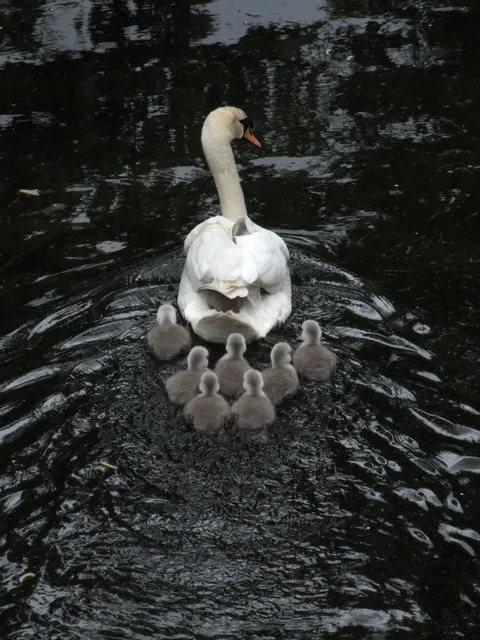
Photo: Dave Hitchborne, CC BY-SA 2.0, via Wikimedia Commons
There is a particular sort of quiet on a British beach in mid-November. The deckchairs have gone, the ice cream van has packed up for the season, and the only sound is the drag of shingle and the odd indignant gull. The water, meanwhile, is sitting somewhere between nine and twelve degrees on most English and Welsh coasts, and a good deal colder on parts of the north-east. It is beautiful. It is also genuinely cold, and that is the thing worth planning around.
This is not a piece about bravado. Nobody needs a family photograph of a blue-lipped eight-year-old to prove they had a nice time. What follows is a gentler proposition: how to introduce children to cold sea water so that the memory they carry away is one of exhilaration rather than endurance.
Start with the beach, not the water
The right shore does most of the work for you. In high summer, the answer is simple - find a beach with lifeguards and swim between the red and yellow flags. Out of season, though, RNLI patrols have largely finished on most beaches, so the calculation shifts. What you want now is a shore you can read: a shallow, even gradient where the sand or shingle shelves away slowly, no rip currents, no harbour wall, no half-submerged groyne to catch an ankle, and no river mouth nearby pushing cold fresh water into the mix.
Well-known, well-visited beaches often satisfy this better than wild, dramatic ones. A popular resort beach in, say, Cornwall or Northumberland may feel less adventurous, but you know where the car park is, where the slipway is and where the nearest cafe with a radiator is. That last point is not a joke.
Check the tide table before anything else. A falling tide on a gently sloping beach gives you a wide, safe stretch of wet sand and shallow water, and it will not creep up behind you while you are wrestling a small person into a wetsuit. Avoid the hour either side of high water on a spring tide, and avoid any day with a stiff offshore wind, which will feel balmy on the sand and push cold surface water away from the shore.
What the forecast numbers actually mean
Sea temperature and air temperature are two different stories, and children feel both. A bright, still November day with the sun on your back can make twelve-degree water feel almost inviting for the first thirty seconds. A grey day with a twenty-mile-an-hour onshore wind can make the same water feel like a punishment.
Use the marine forecast as a decision-maker rather than background noise. Wind direction and strength matter more than the headline air temperature. If the wind is coming off the land, the water will often look flatter and clearer. If it is coming straight in, expect chop and a chill that arrives faster.
And be honest about what cold water does. The first sixty to ninety seconds of immersion trigger cold water shock: a sharp intake of breath, a racing heart, involuntary gasping. In adults it is uncomfortable. In children it can be frightening. This is exactly why nobody should run in and dive - and why the plan below moves slowly.
The thirty-second rule
Give the dip a short, agreed window rather than an open-ended invitation. For a first cold-water outing with children, a sensible target is somewhere between five and ten minutes in the water, and thirty seconds of deliberate adjustment before anyone commits to going deeper than their knees.
Say it out loud before you walk down the beach. "We are going in for a few minutes, we will come out when the timer goes, and then we get warm." Children cope far better with cold when they know where the finish line is. Bring a phone with a timer, or better, a waterproof watch, and let them see you checking it.
Toes, ankles, then a decision
Shoes off first. Neoprene boots or old trainers if the beach is stony. Walk to the very edge and let the first wave wash over feet and ankles only. Stand there. Talk about something else. This is the adjustment phase, and it is doing real physiological work even though it looks like nothing is happening.
Then wade to mid-calf, and hold. If the child is laughing, chattering and happy to go on, let them. If they are rigid, silent or backing up the beach, that is information, not failure. Knees and hands in next if they want it. Full immersion is a bonus, never the objective.
Wetsuits help enormously here. A well-fitted 3mm shorty is fine for a quick dip; a full 4mm or 5mm suit with boots, gloves and a neoprene hat will keep a small person comfortable far longer than you would expect. Buy or borrow for fit, not for fashion - a baggy suit that flushes water is worse than none.
Getting warm is the actual event
Most of the discomfort in cold-water dipping happens after the water, not in it. Plan the exit before you get in: towels on a mat, a changing robe or dry towel wrapped round shoulders, hat on while the swimsuit is still on, and a dry base layer ready.
Warm gradually. A flask of hot chocolate, a spare jumper, shoes and socks, and a slow walk back to the car. Do not rub cold limbs vigorously and do not jump straight into a hot shower if you can avoid it - let the body come back up to temperature steadily. Keep an eye out for shivering that continues after dressing, clumsiness, or a child who goes quiet and sleepy. That is the point to get into a warm car or building and stay there.
When to call it off and simply watch
Some days the sea says no. A big swell, a howling onshore wind, a child who is tired or under the weather, or simply a mood that is not there - none of these need to be overcome. A cancelled dip is not a wasted trip.
There is plenty to do at the water's edge without entering it: rockpooling in the shallows at low tide, counting container ships on the horizon, watching the birds work the surf line, or sitting on a wall with a flask while the light goes. Some of the best coastal afternoons are spectator sports. Teaching children that the sea can be admired from the dry side is arguably a more valuable lesson than teaching them to tolerate cold.
A short packing list for a short dip
Wetsuit that fits, neoprene boots, towel and changing mat, thick robe or oversized towel, hat and gloves for afterwards, full dry change of clothes, flask, high-energy snack, phone in a waterproof pouch, and a printed tide table or the app downloaded in advance. Add a bin bag for wet kit and you are done.
The British sea in November is not hostile, but it is serious. Approach it slowly, keep the window short, warm up properly, and let the children set the pace on the way in. The goal is a family that wants to come back in February - not one that has had quite enough cold water for a lifetime.