No Wetsuit Required: Watching Marine Life from UK Harbours and Piers

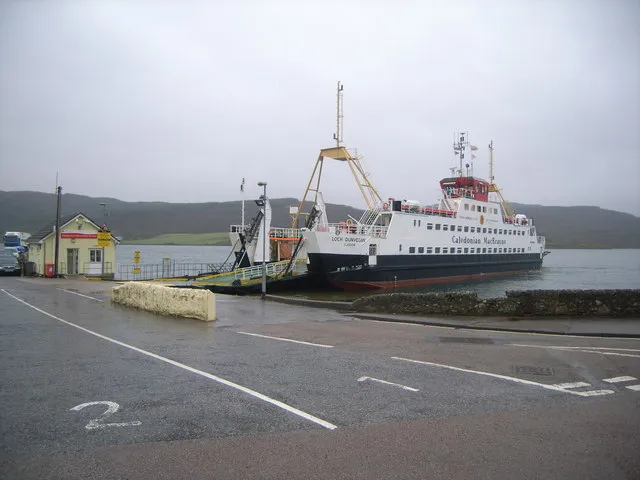
Photo: Randy Robertson from Newbury Park, California, USA, CC BY 2.0, via Wikimedia Commons
The best free aquarium in Britain is a harbour wall at high water. No queue, no gift shop, no timed entry. Just a stone ledge, a metre of clear green water and a child lying flat on their stomach, entirely silent for once, watching a crab go about its business.
Harbours, piers and promenades are underrated for exactly this reason. The water is deep enough to hold life, calm enough to see through, and reachable without a single piece of specialist kit.
The free aquarium on your doorstep
Drop your gaze a metre below the surface line and the cast list is surprisingly long. Shore crabs and velvet swimming crabs pick their way along walls and weed. Beadlet anemones sit shut on dry stone and open into red-brown flowers once the water covers them, while snakelocks anemones wave green tentacles in the south and west. Blennies — the local name shanny still gets used — dart between stones, and gobies hover in the silt.
Further out you might catch shoals of mullet circling a slipway, pipefish hanging in the weed, or bass fry flickering near the surface. Prawns, periwinkles and limpets fill the smaller niches. Above the waterline, turnstones work the harbour edge like tiny clockwork, oystercatchers pipe from the far wall and cormorants dry their wings on a marker post.
If you are very lucky, a seal pops up. Keep your distance and let it decide.
Read the water: which tide state shows you the most
Tide is the single biggest factor, and it is free to check.
High water, especially the hour either side of slack, is the sweet spot. Water is deepest and clearest against the wall, and fish tend to gather around structures. Anemones are open and feeding, crabs are on the move.
Neap tides beat spring tides for visibility. Big spring ranges stir up more sediment, particularly in estuaries.
Give heavy rain a day or two. Runoff from fields and streets clouds harbour water and pushes freshwater into the basin, and the life gets harder to spot.
Low water offers a different show. Seaweed, exposed stone and pools in the harbour floor hold crabs and anemones, but the view is murkier and the silt is slippery. It suits a slow poke about rather than a clear-window watch.
Tide times shift by around fifty minutes a day, so check the table for your actual date. A wall that is dry at eleven can be knee-deep by two.
Watching well matters more than watching a lot
These are working harbours and fragile edges, so a little restraint goes a long way.
- Keep your shadow off the water. Fish and crabs react to sudden shade as much as to movement.
- If you handle anything, wet your hands first and keep it in water as much as possible. Never prise an anemone or a limpet off a stone — that is its home and, in the case of walls, somebody's structure.
- Use a clear tub of seawater rather than a dry bucket, keep it out of direct sun, and return everything to the exact spot within a few minutes.
- Skip the scraping nets. A hand lens will show you more than a net ever will.
- Do not feed the gulls, the crabs or the mullet. Chips in the water are not a kindness.
- Keep dogs back from the edge and from bird roosts, and take every bit of litter home, including the bit that was already there.
The kit list is small
Polarised sunglasses make a genuine difference — they cut glare and let you see into the water rather than at it. Add a small torch for peering into shaded corners, a clear tub or white tray, a cheap hand lens, and a tide app on your phone. Layers, a bit of hand gel and a couple of plasters complete the kit. Nothing here needs charging, inflating or assembling.
Five accessible spots for a low-fuss morning
The Cobb, Lyme Regis, Dorset. A proper historic harbour wall with a broad walkway, steps down to the water and plenty of weed to inspect. Sheltered on the inside, dramatic on the outside.
Padstow Harbour, Cornwall. Slipways and walls on the camera side of the estuary, with clear water on a flooding tide and easy access to benches, loos and a pastry.
North Berwick Harbour, East Lothian. Compact, sheltered and right beside the beach, so you can move between harbour wall and sand without a plan. Watch for the rockpools at the eastern end.
Scarborough Harbour, North Yorkshire. Big working harbour, lots of structure, and promenade benches along the whole front. Easy flat walking for grandparents and pushchairs.
Tenby Harbour, Pembrokeshire. Steps, walls and a beach all stacked together, with usually a good few minutes of clear water either side of high tide. Handy for a combined harbour-and-sand visit.
Harbour manners and the safety bits
Green weed on stone behaves like ice. Wet steps are worse than dry ones, and harbour basins fill faster than people expect. Stay behind any painted line, keep children within arm's reach of the edge rather than holding them up for a better view, and never sit on a bollard with a rope running through it — mooring lines are under real tension.
Watch for moving boats, and remember that quayside vehicle traffic does not stop for a family crouched over a crab. Life rings are there for a reason; point them out to the children and explain what they are for.
Twenty minutes of staring
That is the goal, really. Not a ticked-off list of species, but a child who has stopped talking, gone still and noticed that the water is full of things going about their day. Harbours give you that for the price of parking.