Binoculars at the Ready: Eight Short UK Ferry Crossings with a Wild Side
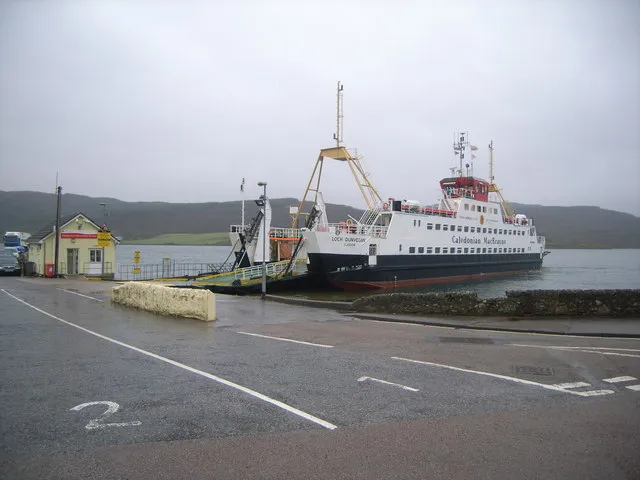
Photo: Nicholas Mutton, CC BY-SA 2.0, via Wikimedia Commons
A ferry is a wildlife hide that happens to move. You get a elevated view, a bit of engine noise to mask conversations and a ready-made excuse to stare at the water for an hour. The best crossings for families are short: ten to sixty minutes, with somewhere to shelter, a toilet at one end and a cafe at the other. Here are eight UK routes where the journey is the safari. Wildlife is never guaranteed, but these are good places to look.
Before you board: the low-stress checklist
Book ahead where possible, especially in school holidays, and check the operator's website on the morning of travel. Ask about wildlife policies, landing restrictions and whether the crossing is suitable for young children. Arrive early enough to find parking without a meltdown. Pack binoculars — 8x42 is a good family-friendly size — and a strap so they do not end up in the sea. If anyone is prone to seasickness, choose a shorter crossing, sit midship, look at the horizon and avoid heavy meals beforehand. Speak to a pharmacist about suitable remedies for children. On board, hold handrails, keep children away from the edge and follow crew instructions about lifejackets and open decks. And remember the wildlife watcher's rule: keep your distance, keep quiet, never feed animals and never launch a drone.
1. Mallaig to Armadale, Isle of Skye
A 20-minute CalMac crossing across the Sound of Sleat, and one of the most rewarding short hops in Scotland. Harbour porpoises are possible, along with grey seals, black guillemots, shags and gulls. Sit on the open deck if the weather allows and scan for the small triangular dorsal fin of a porpoise. It is less showy than a dolphin, but that is part of the thrill. The crossing is sheltered enough for nervous sailors, and the views back to the mainland are superb.
2. Largs to Cumbrae
Ten minutes from North Ayrshire to Great Cumbrae, and a brilliant first ferry for small children. The Firth of Clyde can produce harbour porpoises, seals, cormorants and eiders. Because the crossing is so short, you can treat it as a taster and still have time for a walk or a cafe stop on the island. Keep an eye on the water near the slipways and rocky edges.
3. Oban to Kerrera
This is the shortest crossing on the list — a five-minute hop to Kerrera. Do not let the brevity fool you. Seals are often hauled out nearby, and shags and black guillemots work the shallows. You can walk on the island and catch the ferry back, making a simple half-day adventure. It is a good option for families who want a boat trip without committing to a long stint at sea.
4. Martin's Haven to Skomer Island, Pembrokeshire
A 15-minute crossing to one of Britain's great wildlife islands. Depending on the season, look for puffins, guillemots, razorbills, grey seals and harbour porpoises. Landings are managed, so book in advance and follow the island rules carefully. Stay on the paths, keep noise down and give nesting birds space. This is not a casual hop-on ferry; it is a proper wildlife visit, and it is all the better for it.
5. Seahouses to Inner Farne, Northumberland
A 20- to 30-minute boat trip from the Northumberland coast to the Farne Islands, with grey seals, puffins, Arctic terns and kittiwakes in season. Book with a reputable operator and listen to the briefing about landings and wildlife distances. Terns can be defensive in nesting season, so hats and a calm approach help. Even if you do not land, the crossing gives you a close-up view of a noisy, crowded seabird city.
6. North Berwick to Bass Rock
This is more of a wildlife cruise than a ferry, but it belongs here because the payoff is enormous. The crossing from North Berwick takes around an hour and brings you close to Bass Rock, home to a vast gannet colony. Seals and puffins are also possible. Choose a calm day, dress for spray and keep binoculars handy. The noise and scale of the gannets are unforgettable.
7. South Queensferry to Inchcolm
A 15-minute ferry across the Firth of Forth to Inchcolm Island. Seals, seabirds and occasionally harbour porpoises are possible, and the island's abbey adds a bit of history for children who need more than wildlife. The crossing is short, sheltered and easy to combine with a walk ashore.
8. Falmouth to St Mawes
A 20-minute passenger ferry across the Carrick Roads in Cornwall. Harbour seals, cormorants and terns are possible, and dolphins are an occasional bonus. The water is sheltered, the views are lovely and there are plenty of places to eat on either side. It is a gentle introduction to boat-based wildlife watching for younger children.
Make the crossing count
Wildlife sightings are a bonus, not a guarantee. The best family approach is to treat the ferry as the adventure: assign a lookout, share the binoculars and talk about what you might see. Keep cameras and phones secure, and do not let children stand on seats or lean over railings. If you do see seals or cetaceans, stay quiet and let them behave naturally. Report unusual sightings to the operator or a local wildlife group — it helps them look after the animals. At Waterwise Marine, we think a short ferry ride is one of the smartest ways to introduce children to the sea: low commitment, high possibility and a story to tell on the way home.