The Skipper Has Called It: A Harbour Day That Still Counts When the Boat Is Off

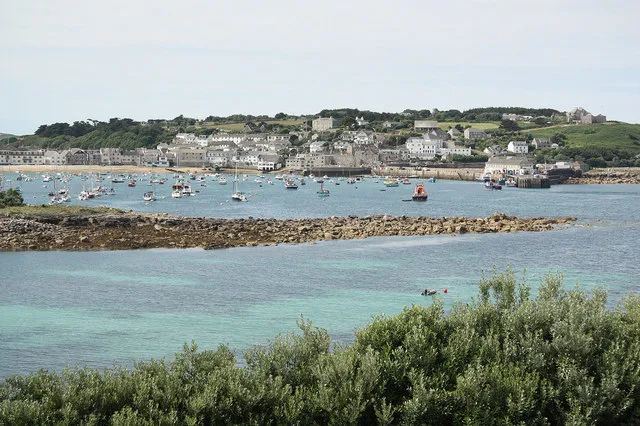
Photo: John Illingworth, CC BY-SA 2.0, via Wikimedia Commons
You’ve parked. You’ve paid for the car park. Someone has already put on one sock and taken it off again. And then the phone buzzes: the trip is off. Wind against tide, a lumpy swell outside the harbour wall, or simply a skipper who knows better than the forecast app. It’s a deflating moment. The boat was the point.
It’s worth saying that plainly. A harbour day is not a moral victory over disappointment. But it can be a good day in its own right, especially if you stop waiting for the boat to un-cancel itself and start working with the weather instead.
Read the signs before you leave the house
Most cancellations don’t come out of nowhere. If the trees are bending inland, the harbour is showing white horses, and the forecast has that yellow wind symbol on it, treat the trip as provisional. Check the operator’s social media and website before you set off. A quick ring is better than an email if you’re already in the car — but ring once, politely, and don’t take it personally if the answer is a firm no.
Ask a simple question: “Is it cancelled, or are you waiting to see?” There’s a difference. Some operators will run a shorter, more sheltered trip if the outer harbour is messy. Others will know by 8am that the day is done. Either way, you want a yes or no before you’ve bought the chips.
What to ask when the boat is off
When you do speak to the operator, keep it short and useful. Is the trip cancelled or postponed? Can you rebook, and how long is a credit good for? Is there a shorter harbour trip later in the day, or a different boat that stays inside the wall? And — this is the good bit — what do they suggest for families who are already here? Skippers and harbour staff know which museum is actually worth an hour, which café has a window on the water, and which stretch of quay is safe for a bit of ferry-watching when the wind is up.
Don’t ask them to run the trip anyway. If the answer is no, the answer is no. The sea has a timetable, and so does a sensible skipper.
Build a fallback shortlist, not a fantasy itinerary
The mistake is trying to replace a boat trip with five attractions. You don’t need five. You need one thing that gets everyone out of the car, one thing that feeds them, and one thing that feels slightly boat-shaped.
Start with the harbour itself. A fish quay in the morning is a proper spectacle: ice, crates, gulls with a sense of entitlement, and the occasional shout that carries. Keep children behind the marked lines and away from moving vehicles. Then find a bench with a view of the ferry or the lifeboat station. Watching other people go out — or come back in — is oddly satisfying, and it teaches children to read the water without a worksheet.
Tiny museums work well in blown-out weather because they are small enough to finish. Harbour heritage centres, lifeboat stations with a visitor corner, and local maritime museums are usually warm, cheap, and full of things you didn’t know you wanted to see. Pair that with a chip-shop window — not necessarily a full sit-down meal — and you’ve got a decent rhythm: walk, look, eat, go home before everyone unravels.
Three harbour-shaped examples
In Whitby, a cancelled trip can turn into a morning on the quay watching the swing bridge and the lifeboat, followed by a short climb to the abbey ruins if the wind isn’t too spiteful. The harbour itself is the attraction. In Padstow, the ferry across to Rock is a tiny voyage in its own right when the main trip is off — check it’s running, because it has its own weather limits — and the Camel Trail is a good flat leg-stretch if you’ve brought bikes or sturdy shoes. In Oban, the winter ferry timetable and the harbour traffic give you plenty to watch, and the little aquarium and seafood shacks keep the day moving without pretending you’re on a wildlife cruise.
The point isn’t to tick off a list. It’s to remember that a working harbour is a living place, not just a departure lounge.
Talk to the kids about the weather, not about “bad luck”
Children cope better with disappointment when they understand it. “The skipper says the wind is too strong outside the wall” is clearer than “the boat people cancelled”. If you can, show them the forecast, point out the whitecaps, and explain that the boat will go another day. Then give them a job: ferry-spotter, chip-shop orderer, museum map-holder. A small job goes a long way.
And don’t overpromise. If the trip is off, say so. The day can still be good, but it doesn’t have to be a triumph.
Bring the boring kit
A blown-out harbour day is usually a wet-wind day, not a sunny one. Waterproof coats, a spare pair of socks, a flask, and a cloth for steamed-up café windows are more useful than a picnic blanket. Keep everyone away from exposed pier ends and wet steps. If the wind is strong enough to make you hold your hood on, it’s strong enough to make a child unsteady near the edge.
Set a deadline and go home
Give the harbour day a natural end. Two hours of quay, one hour of museum, chips, then home. The worst version of a cancelled trip is the one where you hang around the pontoon hoping for a miracle and everyone gets cold and cross. The best version is the one where you leave while the day still has a bit of shape to it.
The boat didn’t go. That’s a real loss. But the harbour was still there, doing its thing — and that’s not nothing.