The Day the Sea Went Missing: Family Plans for UK Coastal Fog
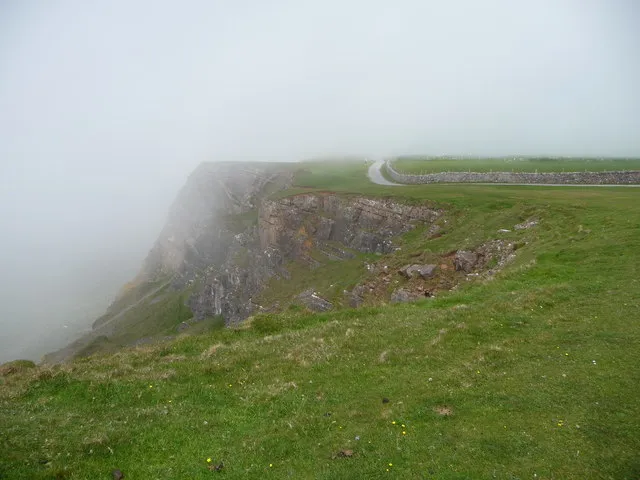
Photo: Jeremy Bolwell , CC BY-SA 2.0, via Wikimedia Commons
There is a particular kind of UK coastal morning when the car park looks ordinary, the gulls sound close, and the sea simply is not there. You can hear it. You can smell it. But the horizon has gone missing somewhere between the promenade and the water. For families, this is not just a moody photo opportunity. Fog changes the practical rules of a seaside day, especially with small children who move fast and trust landmarks more than they trust weather forecasts.
The good news is that coastal fog is rarely a reason to cancel everything. It is a reason to change the plan, read the conditions more carefully and build in a few sensible habits. Think of it as a different sort of sea day: quieter, closer, and often more memorable than the blue-sky version.
Why the sea sometimes vanishes
Sea fog is usually made when warm, moist air drifts over a colder sea surface. The air cools from below, the moisture condenses, and a low grey blanket forms. On the UK coast this is often called advection fog, and it can arrive with very little drama. It may sit offshore, creep into a bay, or form a soft wall just beyond the pier.
Winter mist is a close cousin. On clear, cold nights the land loses heat quickly, and a shallow layer of mist can form over fields, estuaries and low coastal roads. Add a light breeze and it can drift towards the shore. On the east coast, especially, families may hear the old word haar used for a cold, persistent sea fog. It is not a sign that something has gone wrong. It is simply the sea and the air doing their usual negotiations.
The key point for parents is that fog can be patchy. One beach may be clear while the next headland is swallowed. A boat trip may be fine in the harbour and doubtful beyond the breakwater. That is why a single glance out of the window is not enough planning.
Read visibility, wind and tide together
Before leaving home, check a coastal forecast rather than a general town forecast. Look specifically for visibility, fog patches and any coastal fog warnings. The Met Office coastal and inshore waters forecasts are useful, and the Shipping Forecast still earns its place as a quick reality check for sailors and curious families alike. Webcams can be helpful too, but treat them as a snapshot, not a promise.
Wind direction matters. A light onshore breeze can push sea fog towards the beach; an offshore breeze may keep it just beyond the horizon. Tide matters as well. Fog plus a rising tide on a rocky shore is a poor combination for small children, because familiar landmarks can vanish and the usable beach can shrink without anyone noticing. If visibility is poor and the tide is filling, choose a harbour wall, a promenade or an indoor backup instead.
Boat trips need a firmer rule. If the operator cancels, accept it cheerfully. If the trip runs but visibility is limited, ask what you will realistically see and whether the crew are using radar and fog signals. A short harbour ferry in mist can be atmospheric; a wildlife trip where the wildlife is invisible is less so.
Swap the beach, not the day
A foggy coast is a good excuse to move inland by a few hundred metres. Harbours are excellent: there is usually a rail, a cafe, boats to inspect and plenty of noise to listen for. Lifeboat stations, small maritime museums, sea pools with lifeguards and covered promenade shelters can all rescue a family afternoon. Even a chandlery or a working boatyard can hold a child's attention longer than expected.
If you do walk, choose a short, familiar route. Stay on paths. Keep away from slipways, breakwaters and wet rocks, which become even more slippery in damp air. Dress everyone in something bright, not just navy and grey, and put a small torch in your bag even at midday. Hold hands near water, and agree a meeting point in case anyone becomes separated. Fog muffles sound and shortens sightlines, so a child who runs ahead can disappear from view surprisingly quickly.
Make the grey part of the story
Children are often less bothered by fog than adults are. They notice the way sound changes, how the foghorn seems to come from everywhere, and how seagulls appear as sudden shapes. Lean into that. Try a sound map: stand still for one minute and list every noise, from the tide to a distant train. Look for condensation on railings and car windows. Compare the colours of the sea, sky and shingle, and see how many shades of grey you can name. It is not a substitute for a sunny beach day, but it is an honest and interesting one.
What you should not do is pretend the weather is something it is not. Do not promise a boat trip that is unlikely to run or a view that is not there. Tell children plainly that the sea is hidden, explain why, and give them a job: listening for the foghorn, carrying the torch, checking the harbour clock. Curiosity works better than cheerfulness imposed from above.
The waterwise rule for grey days
Treat fog like any other coastal condition: read it, respect it and plan around it. Check visibility alongside wind and tide. Keep the day short and the route simple. Have an indoor or harbour backup ready. And remember that the sea has not gone away just because you cannot see it. On a still, grey November morning in 2026, that can be the most useful family lesson of all.