Mud, Channels and a Good Hide: Six Family Estuary Walks Where the Tide Sets the Pace
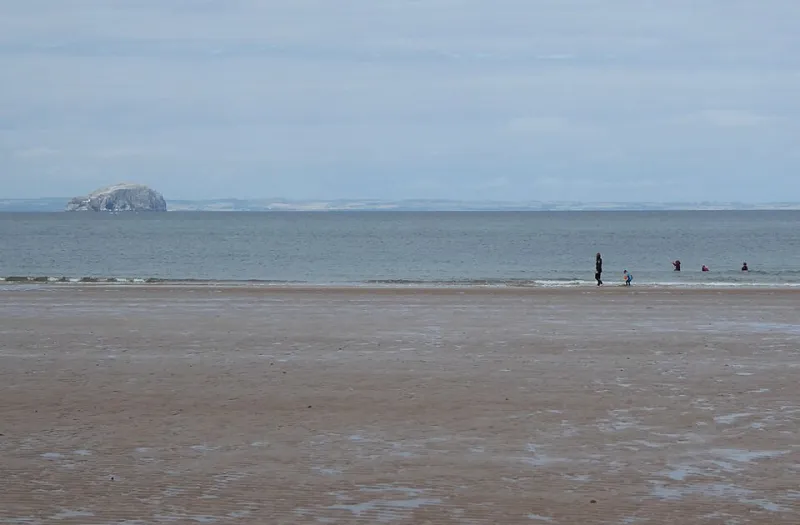
Photo: Russel Wills , CC BY-SA 2.0, via Wikimedia Commons
Estuaries rarely get top billing in the family seaside brochure. There is often no promenade, no ice-cream kiosk at the end of a pier, and the water may be a long way out and the colour of milky tea. But give an estuary half a day and it quietly out-performs many a crowded beach. The river slows, the sea pushes back, and the whole place becomes a theatre for wading birds, shelducks, curlews and the occasional seal. You do not need a boat. You need boots, binoculars, a tide table and a sensible plan.
Why an estuary tide is not a beach tide
On an open beach, the tide usually arrives as a steady creep up the sand. An estuary is different. Water is squeezed through a narrow mouth, pushed along channels and spread across mudflats and saltmarsh. That means the tide can move faster than it looks, fill a channel behind you, or cut off a path that was dry ten minutes earlier. Some estuaries have famous fast-moving tides or even bores; others simply have deep mud that is not for walking on, however inviting it looks.
The practical rule for families is simple: treat every estuary path as a deadline walk. Check a local tide table and the reserve or harbour noticeboard before setting out, choose a route with an obvious higher dry line, and turn back earlier than you think you need to. Avoid mudflats altogether. Mud is for looking at through binoculars, not for testing with a seven-year-old.
What goes in the bag
Wellies or sturdy waterproof boots are the baseline, with a spare pair of socks in the car. Add waterproof over-trousers if the forecast is doubtful, a warm layer for the wind that funnels down the estuary, and a lightweight waterproof map or printed route. Binoculars are worth their weight, even a modest pair; a small telescope is a bonus if you have one. Pack water, a flask and something that can be eaten with cold hands. A charged phone, a little cash for a café that may not take cards, and a cloth for wiping binocular lenses round off the kit.
Six estuary walks to build a day around
1. The Exe Estuary, Devon
The Exe Estuary Trail gives families a flat, mostly traffic-free route between Exmouth and Lympstone, with the river on one side and the railway on the other. It is a good introduction to estuary walking because the path is clear and the birdlife is generous in winter. Walk a section, stop at a viewpoint, then retreat to Exmouth for a harbour café and a look at the mudflats from the safe side of the sea wall. This is not a route to do in a howling gale, but on a bright cold morning it is hard to beat.
2. The Dee Estuary, Wirral and Flintshire
The Dee is a big, muscular estuary with huge expanses of saltmarsh and mudflat. Parkgate promenade is a fine family base: easy walking, benches, and a well-known habit of attracting short-eared owls and hen harriers in the colder months. The tide here can come in dramatically, so read the local warnings and keep to the promenade rather than chasing the waterline. Pair it with a visit to a reserve hide and a chip-shop lunch. It is a place for standing and looking rather than striding out.
3. The Dyfi Estuary, Powys and Ceredigion
The Dyfi is a gentler affair, with dunes, saltmarsh and a reserve centre that works well for children. Ynyslas is the classic starting point: sandy paths, boardwalks and wide views across to Aberdyfi. The estuary channels shift, so stick to marked routes and keep away from the water's edge. A hide visit gives small legs a rest and turns birdwatching into a game of spotting. Finish with a pot of tea in Aberdyfi and a walk along the seafront.
4. The Humber Estuary, Lincolnshire
The Humber is not pretty in a postcard way, but it is excellent for families who like big skies and industrial edges. Far Ings National Nature Reserve, near Barton-upon-Humber, has flat paths, hides and a visitor centre, making it a low-stress option for a short day. The estuary is vast, so choose one loop rather than trying to see it all. The reward is marsh harriers, ducks and a sense of scale that makes children go quiet for a moment.
5. The Teifi Estuary, Ceredigion
Cardigan and Poppit Sands sit at either side of the Teifi mouth, and the estuary itself is a patchwork of sandbanks and channels. A family walk along the Cardigan side, or a shorter stroll near Gwbert, gives views over the water without committing to a long expedition. The tide fills the estuary quickly, so check the tables and keep to established paths. A harbour café in Cardigan makes a reliable finish, with the option of a beach stop if the weather behaves.
6. The Solway Firth, Cumbria and Dumfries and Galloway
The Solway is another estuary where the tide is the main event. RSPB Campfield Marsh, near Bowness-on-Solway, offers flat paths, hides and big views across the mudflats. It is a place for patience: scan the channels, listen for geese, and let the children use the hide as a den. The Solway's tides are fast and the mud is genuinely dangerous, so the rule is simple — stay on the paths and watch from the reserve. A flask and a biscuit make the whole thing feel like an expedition.
The short-day formula
A good estuary day does not need to be long. Aim for one reserve hide, one short path and one café. Arrive mid-morning, walk for an hour or so, spend twenty minutes in a hide, then retreat for lunch. If the tide is coming in, the hide is often the best place to be. If it is going out, the mudflats will start to show and the birds will follow. Either way, you are working with the estuary rather than fighting it.
A final word on mud and weather
Estuary walking is not about covering ground. It is about noticing: the curl of a curlew's bill, the way the channel changes shape, the wind pushing a line of waves up the river. Dress for muck, carry binoculars, check the tide twice, and leave the mud to the birds. That is a family coastal day with a bit of grit in it — and it will stay with you longer than a slot-machine arcade.