The Boat in the Shed: A Family’s Guide to Lifeboat Station Visits
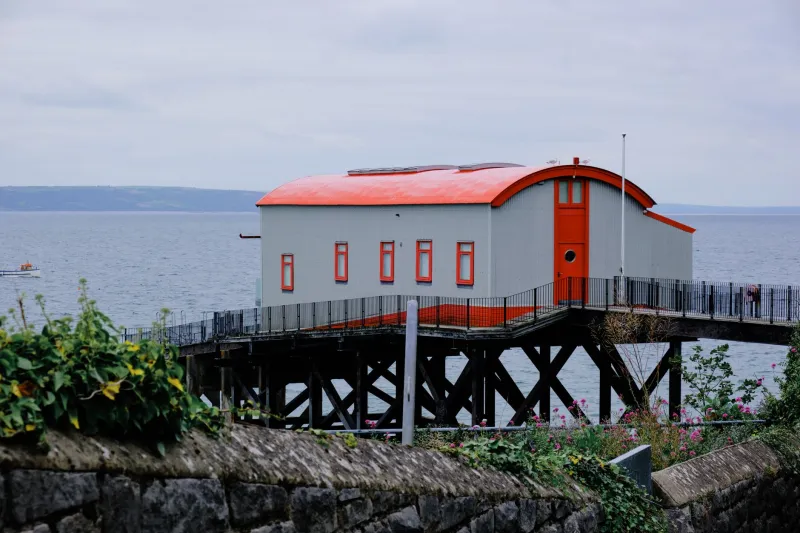
A lifeboat station is one of those places that looks modest from the promenade and then quietly gets under your skin. There’s a shed, usually, and a boat in it. There are hooks, lockers, heavy kit and a slipway that suddenly makes the sea look very close indeed. For children, that combination is often more memorable than a bigger, flashier attraction. For parents, it is a chance to talk about coastal safety in a way that feels practical rather than frightening.
Start with the shed, not the souvenir
It is easy to treat a station visit as a quick stop between ice creams. But the best visits begin outside, before anyone reaches the shop. Stand back and look at the building. Is there a slipway? A davit for lowering a boat? A tractor parked up? A noticeboard with launch information? Ask the children what they think each part is for. You do not need to know every answer. Half the value is in noticing that this is a working building, not a museum set.
Many UK stations are run by the RNLI, while others are independent or community-run. Opening arrangements vary enormously. Some have visitor centres and regular opening hours. Some open only for pre-booked tours or seasonal open days. Others are simply working boathouses where volunteers will chat if they are around and not busy. Check the station’s own page before you set off, and treat any advertised times as the plan rather than a loose suggestion.
What a station visit actually looks like
On a typical open day, families might see the lifeboat itself, the launch tractor, crew kit and maybe a small display about local rescues. Volunteers often give short talks, and children usually get the chance to ask the sort of direct questions that adults are too polite to ask. How fast does it go? What happens if the pager goes off? Do you get wet? The answers are often very good.
Do not expect a full guided tour of every corner. Stations are operational spaces, and access can be limited by training, maintenance or an actual shout. If the crew are paged while you are there, step back and let them work. That is not a ruined visit. It is the whole point of the place, and children tend to remember it.
Small museums attached to stations can be lovely, but they are rarely big. A single room with photographs, old kit and a timeline may take twenty minutes. That is fine. Pair it with a harbour walk or a beach stop rather than building the day around it.
Open days, ordinary days and the noticeboard
Open days are the easiest entry point for families. They usually come with volunteers on hand, activities for children and a relaxed atmosphere. They can also be busy, especially in summer, so go early if you want space to talk to crew. Look out for station open days listed on local harbour noticeboards, in community newsletters and on social media. Some stations hold them alongside fundraising events, which can mean cakes, tombolas and a very practical lesson in how coastal communities support the service.
On an ordinary day, lower your expectations and raise your curiosity. Read the noticeboard. Look at the launch log if one is displayed. Talk about what the weather is doing and why the boat is kept ready. If the station is closed, that is still a useful stop. A locked boathouse with a slipway and a sign can prompt a good conversation about who goes out when the sea is rough.
Plan around tide and weather, not just opening times
A station visit sits inside a coastal day, so treat tide and weather as part of the plan. A low tide might expose a slipway or reveal how shallow a harbour is. A high tide might make the water look alarmingly close to the wall. Both are useful teaching moments. Check the tide table before you go, and think about where you will walk afterwards. A station near a harbour may have quays with unfenced edges, and a station near a beach may have a slipway that gets slippery.
Wind matters too. A breezy day can make an open station feel exposed, especially on a pier or headland. Take layers, and keep an eye on smaller children near water. This is not about wrapping them in cotton wool. It is about letting them look at the sea while you quietly manage the obvious risks.
The safety lesson without the fear
Lifeboat stations are full of safety messages, but you do not need to turn the visit into a lecture. Let the children see the kit and ask what it is for. Talk about why the crew wear helmets and buoyancy aids. Point out that the lifeboat goes out to help people who have got into trouble, and that the best rescue is the one that never happens.
If you want a simple takeaway, keep it practical. Tell them that if they see someone in trouble in the water, they should not go in. They should shout for help, find an adult and call 999 and ask for the coastguard. If they are ever in trouble themselves, the RNLI’s Float to Live message is worth knowing: lean back, spread arms and legs, and float until help arrives. Say it calmly. Children absorb more from a matter-of-fact explanation than from a dramatic warning.
Small stops, big returns
A lifeboat station visit does not need to fill a day. That is its strength. It works as a twenty-minute stop on a promenade walk, a rainy-hour museum, or the anchor for a longer harbour morning. Take a photo of the boat, buy a sticker if the shop is open, and leave a few coins in the collection box if you can. Then go and look at the sea again with slightly different eyes.
For families, the real lesson is not that the coast is dangerous. It is that the coast is alive, changeable and worth reading carefully. A lifeboat station shows that in the most concrete way possible: a boat, a crew and a slipway, all waiting for the call.