Beyond the Decking: A Family's Practical Guide to Renting a UK Beach Hut
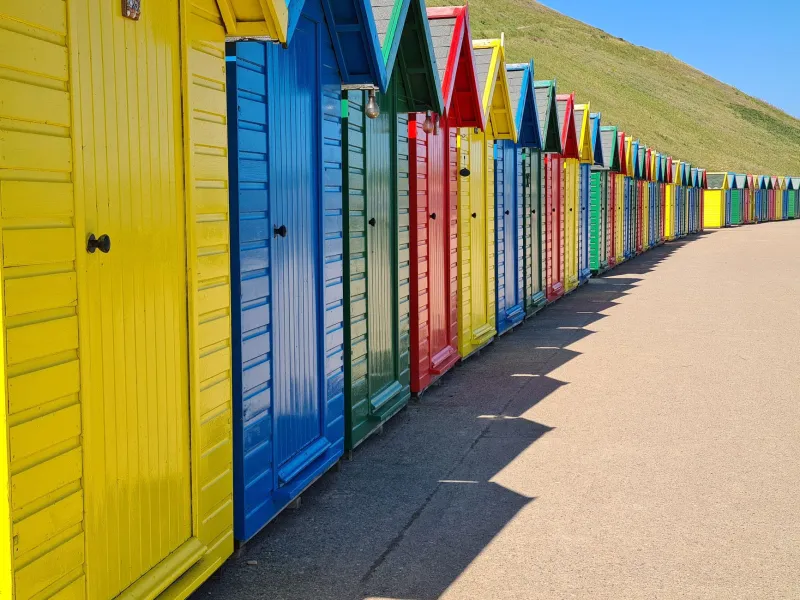
Beach huts look simple from the outside: a painted wooden box, a strip of decking, a kettle somewhere inside. Then you book one for a family day and discover the small print matters. Which way does the tide come in? Is there a tap? How far is the car park when you're carrying a cool bag, a toddler and a windbreak? None of that is meant to put you off. A hut can be a brilliant base for a UK seaside day, especially when the weather is doing its usual mixed message. It just helps to know what you're actually booking.
Start with the walk, not the photo
Hut listings often lead with the view. Fair enough. But for families, the approach route deserves just as much attention. A hut on a promenade may be steps from the car and pushchair-friendly. A hut behind the dunes may mean sand, a boardwalk and a long carry. A hut on a slope may have a lovely outlook and a set of steep steps that turn every loo trip into a mini expedition.
Ask the owner or letting agent a few direct questions before you pay. How far is the nearest parking, and is it free or chargeable? Is the route hard-surfaced, sandy, stepped or sloping? Can you get a pushchair or wagon to the door? Where is the nearest accessible public toilet? If anyone in your group has mobility needs, ask for a photo of the actual approach, not just the view from the decking.
Check what the tide does to your day
This is the bit that catches out first-time hut users. Some huts sit high and dry all day. Others have a beach in front at low water and a much smaller strip of sand at high water. A few are reached by steps or a slipway where the tide can briefly make the doorway feel less relaxed than it looked online.
Ask the owner how high tides affect access and whether the hut is ever cut off. Then check a tide table for your date. A rising tide is not a reason to cancel, but it is a reason to plan. If you have small children, arrive with enough time to settle in before the water pushes everyone up the beach. Keep an eye on wind as well as tide. An onshore breeze can make a sunny forecast feel much fresher on the decking, and it can send sand into every sandwich.
What's usually there, and what isn't
Hut contents vary enormously. Some are basic shelters with a table, chairs and a kettle. Others have a gas ring, crockery, a cool box, deckchairs, buckets and spades, and a surprising amount of inherited kitchen equipment. Do not assume running water, electricity, a fridge, a loo or Wi-Fi. Many huts have none of those things, and that is part of the appeal.
A sensible family packing list includes drinking water, a cool bag, tea and coffee, a small kettle or stove only if the hut allows it, matches or a lighter, a tea towel, washing-up liquid, bin bags, hand sanitiser, toilet roll, sun cream, layers, hats, a first aid kit and cash or a card for parking. Bring your own cups and plates unless the listing confirms they are provided. A couple of tea towels and a spare bag for wet swimmers make a big difference. If you plan to use a barbecue, check the rules first; many councils and hut sites have firm views on flames, smoke and disposable trays.
Hut etiquette is mostly common sense
You are renting a small piece of coast, not a private island. Neighbours may be a few feet away, and sound travels across decking. Keep music low or off, avoid walking through another hut's patch to reach the beach, and do not let windbreaks or chairs block a shared path. If there is a communal tap, rinse your cups and move on rather than turning it into a family washing-up station.
Children are welcome, but a hut day works better when they know the boundaries: stay off other people's decks, don't open neighbouring doors, and don't treat the gap between huts as a shortcut. If your hut has a guest book, it can be a lovely thing to read and add to. Leave it as you found it, take your rubbish home if bins are full, and secure the door when you go for a walk. A quick hello to the neighbours often pays off, especially if you need to ask where the nearest tap or bin is.
The rituals that make the fee feel worth it
A hut day does not need a packed itinerary. The pleasure is in the small routines: unlocking the door, putting the kettle on, claiming a chair, watching the tide move while the kids dig. Lunch tends to taste better when it is eaten slightly sandy. An afternoon walk to the water's edge, a quick rockpool peek and a slow pack-up before the cool bag gets warm are all part of the rhythm.
The best hut days are the ones where you accept the hut for what it is: a base, a shelter and a place to leave the wet towels. It will not have hotel comfort, and the tide will not wait for your schedule. But if you check the access, read the tide, pack the basics and keep the neighbours in mind, a rented beach hut can turn a ordinary coastal day into something the family talks about on the drive home. That is the real booking fee: a bit of planning, followed by a lot of sitting down.