The Sea Has a Timetable: How Tide Tables Shape a Better Family Beach Day
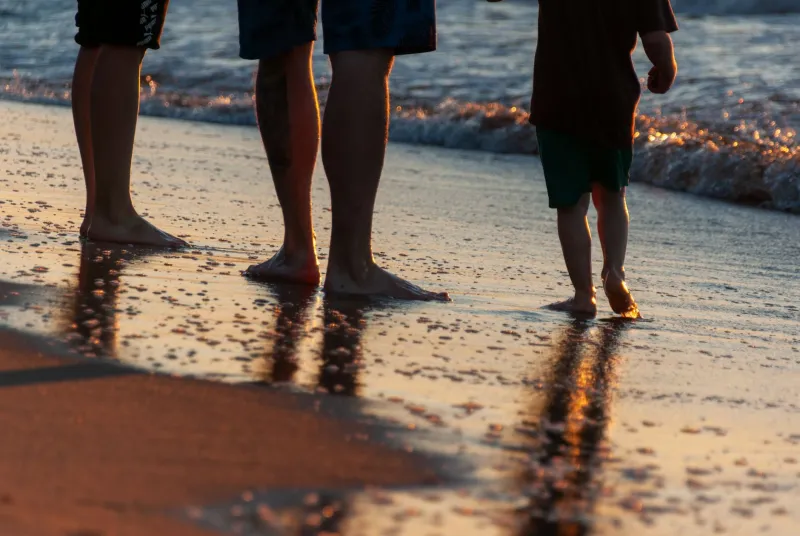
Most family beach days begin with a weather app. That is understandable: nobody wants a picnic in horizontal rain. But on the UK coast, the forecast is only half the story. The sea has its own timetable, and it can change the shape of your day more dramatically than a cloud symbol ever will. A bright afternoon can coincide with a high tide that swallows the sand you promised the kids; a grey morning can land on a low tide that opens up rockpools, causeways and wide stretches of beach. Waterwise planning means reading the water first, then fitting the weather around it.
Start With the Water, Then the Weather
Tide tables are not mysterious, but they are local. A tide time for one part of a bay can be noticeably different from another, and estuary tides can behave differently again. Use a local harbour authority page, the UK Hydrographic Office's EasyTide service, a council seafront page or a reputable tide app, and cross-check two sources if you are visiting somewhere new.
Look at both the time and the height. A low tide of 0.4 metres exposes far more than a low tide of 2.1 metres. Spring tides, which happen around new and full moons, bring bigger ranges: lower lows and higher highs. Neap tides are gentler. Tide times also shift later by roughly 50 minutes each day, so yesterday's perfect beach window is not today's.
And yes, check the weather too. Wind and swell can push water higher and make it arrive faster than the table suggests. The forecast tells you what to wear; the tide tells you where to stand.
The Low-Tide Window Is Your Family Beach Slot
Low tide is a window, not a moment. Aim to arrive an hour or so before low water and plan to leave as the sea starts to return. That gives you the best sand, easier rockpooling and time to get back without a scramble.
On wide beaches, watch for channels filling behind you. On estuaries, the incoming tide can move quickly and cut off routes that looked obvious on the way out. Pick a beach with a clear exit, avoid coves where cliffs or headlands could trap you, and never explore caves or narrow gullies without local knowledge.
For rockpooling, wet rocks are slippery and small hands need grip. Leave creatures where you find them, keep everything wet, and put rocks back as you found them. A low-tide window is a brilliant classroom, but it is still the sea's territory.
High Tide Is Not a Write-Off
High tide gets a bad reputation among beach-focused families, but it is harbour time. Watch boats, lock gates and currents from a safe promenade, pier or harbour wall. Keep well back from the edge, especially when there is wind or swell, and remember that waves can splash over walls that look dry a moment earlier.
A simple game works well: harbour bingo. Count fishing boats, spot a lifeboat, watch the direction of the current, or look for birds working the water. It teaches kids to observe the sea rather than just charge at it.
Build a Two-Tide Itinerary
If low tide is at 10am and high tide is at 4pm, you have a natural shape for the day: beach and rockpools from about 9.30 to 11.30, lunch, then harbour watching from 3 to 4 before heading home. If low tide is at 6am, do not force a dawn beach trip just to tick a box. Choose a high-tide harbour walk and an inland afternoon instead, and save the sand for another day.
In late autumn, when daylight is short, tide times matter even more. A low-tide window at 3pm in November is not the same proposition as a low-tide window at 3pm in July. Match the water to the light, not just to the family schedule.
Safety Cues to Teach the Family
- Choose a landmark and agree a meeting point before you leave the car park or station.
- Never turn your back on the sea.
- If you are cut off, call 999 and ask for the Coastguard. Do not try to swim for it.
- Check lifeguard flags where there is a seasonal patrol, and be more conservative outside patrol hours.
- Watch for channels filling behind you, especially on estuaries and wide beaches.
- Keep inflatables for pools, not the open sea.
- Cold water shocks even strong swimmers. Wade cautiously and keep small children within arm's reach.
Make It a Habit, Not a Spreadsheet
Reading a tide table is a skill families can learn together. Let older kids check the next day's high tide. Screenshot the times before you lose signal. Ask at the harbour office if you are unsure. The more often you do it, the more natural it becomes: you start to see the beach as a living place with moods and rhythms, not a static backdrop for a picnic.
That is the waterwise habit. Check the sea's timetable first, then choose the activity that fits. The forecast tells you what the sky is doing. The tide tells you what the coast is doing. When the two disagree, let the water win.